



Building Trails Through the Northwoods: Tips & Benefits
The Northwoods of Wisconsin, with its sprawling forests, pristine lakes, and diverse wildlife, presents an unparalleled opportunity for outdoor enthusiasts, landowners, and conservationists alike. Whether for hiking, biking, or accessing remote sections of property, well-designed trails are the backbone of both recreational enjoyment and sustainable land management. These trails also promote physical health, mental well-being, and encourage families and communities to spend quality time outdoors, fostering deeper connections with nature. However, constructing trails that harmonize with the natural environment while providing safe, accessible pathways requires careful planning, knowledge of local ecosystems, and attention to long-term maintenance. Trails are more than mere paths; they are channels that connect people to nature, enhance property value, and support responsible stewardship of woodland resources, ensuring outdoor spaces remain vibrant for future generations.
Building trails through the Northwoods offers a unique blend of challenges and rewards. Terrain can vary dramatically from rocky ridges to wetlands, and seasonal conditions such as snow, rain, and erosion must be considered in design and construction. Thoughtful trail planning accounts for wildlife habitats, soil composition, and natural water flow, reducing environmental impact and maintenance needs over time. Moreover, trails have the potential to improve land usability for hunting, forestry management, and recreation, fostering greater appreciation of Wisconsin’s natural beauty and outdoor lifestyle. By integrating thoughtful trail-building practices, landowners can create safe, sustainable, and enjoyable pathways that not only serve personal needs but also preserve the ecological integrity of the Northwoods for generations to come, supporting both conservation and community engagement.
Planning Your Trail – Foundation for Success
Assessing Your Land
Before breaking ground, a detailed evaluation of the property is essential. Begin by mapping the terrain, identifying high-traffic areas, and noting natural obstacles such as streams, wetlands, and rocky outcrops. Understanding soil types, drainage patterns, and seasonal water flow helps determine where trails are feasible and which routes require reinforcement or bridging. This upfront assessment reduces environmental impact and ensures trails remain functional through varying weather conditions.
Defining Purpose and Usage
The intended use of the trail significantly shapes its design. Hiking paths require gentle slopes and clear sightlines, while mountain biking trails may incorporate technical elements like berms and switchbacks. Hunting and forestry access trails prioritize vehicle or ATV use, demanding a sturdier base. Clearly defining purpose informs trail width, surface materials, and maintenance frequency, ensuring the trail meets its intended function without compromising safety or longevity.
Legal and Environmental Considerations
Compliance with local regulations and environmental guidelines is crucial. Wisconsin’s forestry and conservation rules may restrict trail construction in certain wetlands or protected habitats. Consulting with environmental experts ensures adherence to regulations, minimizes ecological disruption, and promotes sustainable land stewardship.
Trail Design – Crafting Functional and Sustainable Paths
Route Selection and Layout
A well-designed trail balances accessibility with environmental sensitivity. Aim for routes that minimize soil erosion, avoid steep grades where possible, and preserve mature trees and native vegetation. Using natural contours helps reduce construction labor while maintaining the trail’s visual appeal. Strategically placing switchbacks on steep inclines can prevent erosion and improve safety for hikers and riders alike.
Surface Materials and Construction Techniques
Trail surfaces can range from compacted soil and gravel to wood chips and boardwalks over wet areas. Soil stabilization techniques, such as adding crushed stone or geo-textile fabrics, extend trail longevity and prevent rutting. In high-traffic areas, consider incorporating small retaining walls or drainage ditches to maintain surface integrity. Sustainable trail construction also includes using locally sourced materials to reduce environmental footprint and blend naturally with the surroundings.
Accessibility and Safety Features
Safety is a critical design component. Adequate signage, clear trail markings, and well-defined boundaries prevent users from wandering into hazardous areas. For multi-use trails, separating pedestrian, biking, and vehicular traffic where possible enhances safety. Bridges, culverts, and raised sections over wetlands prevent water damage and keep trails usable year-round.
Environmental Impact – Protecting the Northwoods Ecosystem
Minimizing Soil Erosion
Trails can accelerate erosion if poorly designed. Implementing contour-following paths, water bars, and gentle slopes disperses runoff and protects soil structure. Erosion control not only preserves trail usability but also protects surrounding vegetation and aquatic habitats.
Wildlife Considerations
The Northwoods host diverse wildlife species. Trails should be planned to avoid disrupting nesting areas, feeding grounds, and migration paths. Installing buffers or fencing around sensitive habitats can protect both wildlife and trail users. Timing construction to avoid breeding seasons reduces the risk of ecological disturbance.
Vegetation Management
Maintaining native vegetation alongside trails improves aesthetics and prevents invasive species from spreading. Periodic trimming, mulching, and replanting can maintain trail accessibility without harming the ecosystem. Using native plant species for landscaping enhances resilience and supports local biodiversity.
Maintenance Strategies – Ensuring Longevity
Routine Inspection and Upkeep
Even the best-built trails require regular attention. Inspect trails for erosion, fallen trees, or damaged bridges, and address issues promptly to prevent small problems from becoming major repairs. Routine maintenance ensures safety, preserves trail quality, and extends the usable lifespan of the pathways.
Seasonal Adjustments
The Northwoods experience significant seasonal variation, from heavy snow in winter to rainfall in spring. Trails should be maintained with these changes in mind. Installing drainage features, sanding icy patches, or temporarily closing sensitive areas during wet conditions can prevent permanent damage and enhance safety.
Community and Volunteer Involvement
Engaging local volunteers or trail clubs fosters community investment in trail upkeep. Group workdays for clearing debris, reinforcing trail surfaces, or planting native vegetation can reduce maintenance costs and cultivate stewardship among users.
Benefits of Trail Construction – Beyond Recreation
Recreational and Health Benefits
Trails provide immediate access to outdoor activities, promoting physical health, mental well-being, and family-friendly recreation. Regular hiking, biking, or running on forest trails has been linked to reduced stress levels and improved cardiovascular health. Trails offer a safe environment for exercise, encouraging consistent outdoor engagement in all seasons.
Property Value and Land Management
Properly designed trails enhance property usability and appeal. Landowners can access remote areas for forestry, hunting, or wildlife observation, while also increasing real estate value through functional and scenic amenities. Trails serve as infrastructure that maximizes land potential without the need for extensive construction projects.
Conservation and Educational Opportunities
Trails facilitate conservation efforts by providing controlled access to sensitive areas, reducing off-trail damage, and promoting awareness of local ecosystems. They can also serve educational purposes, with interpretive signage highlighting flora, fauna, and ecological principles, fostering community engagement with environmental stewardship.
Overcoming Challenges – Expert Tips for Successful Trails
Addressing Terrain and Weather
Challenging topography, including steep slopes, rocky areas, or wetlands, requires adaptive strategies. Incorporating switchbacks, boardwalks, and drainage systems can mitigate these obstacles. Understanding seasonal weather patterns allows for preemptive solutions that reduce trail degradation and ensure safety.
Budgeting and Resource Management
Trail construction requires thoughtful allocation of materials, labor, and time. Establishing a budget that accounts for design, materials, construction, and ongoing maintenance ensures a sustainable project. Leveraging volunteer labor, local contractors, and cost-effective materials can optimize outcomes without compromising quality.
Leveraging Professional Expertise
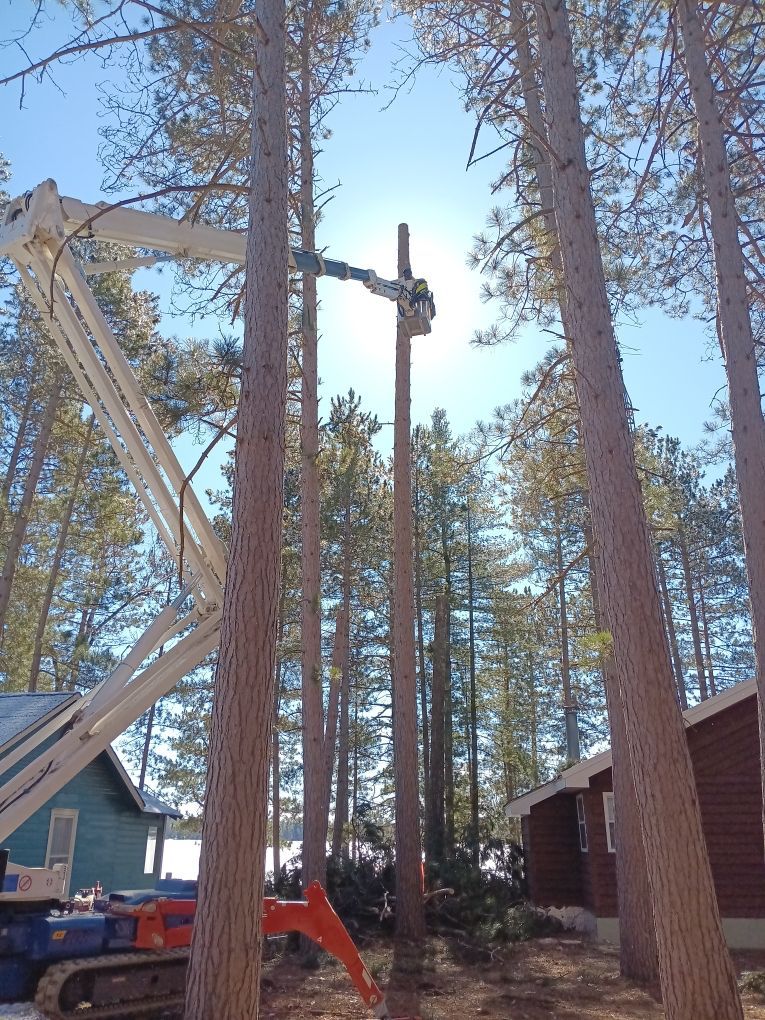
While DIY trail building is feasible for smaller projects, consulting professional land management and forestry experts ensures best practices are applied. Experts can assess environmental impact, recommend durable construction techniques, and provide guidance on legal compliance, minimizing long-term risks and maximizing trail longevity.
Pioneering Outdoor Experiences Through Thoughtful Trail Design
Constructing trails in the Northwoods is both a practical and rewarding endeavor. By blending careful planning, sustainable construction, environmental stewardship, and ongoing maintenance, landowners and recreational enthusiasts can create pathways that endure through seasons and serve diverse purposes. Trails are investments in accessibility, health, and environmental preservation, offering benefits that extend far beyond the immediate experience of walking or riding through the forest. With a mindful approach, trails can harmoniously integrate with the landscape, enhancing both the natural beauty and functional potential of Wisconsin’s Northwoods.
Integrating Safety, Sustainability, and Fun in Trails
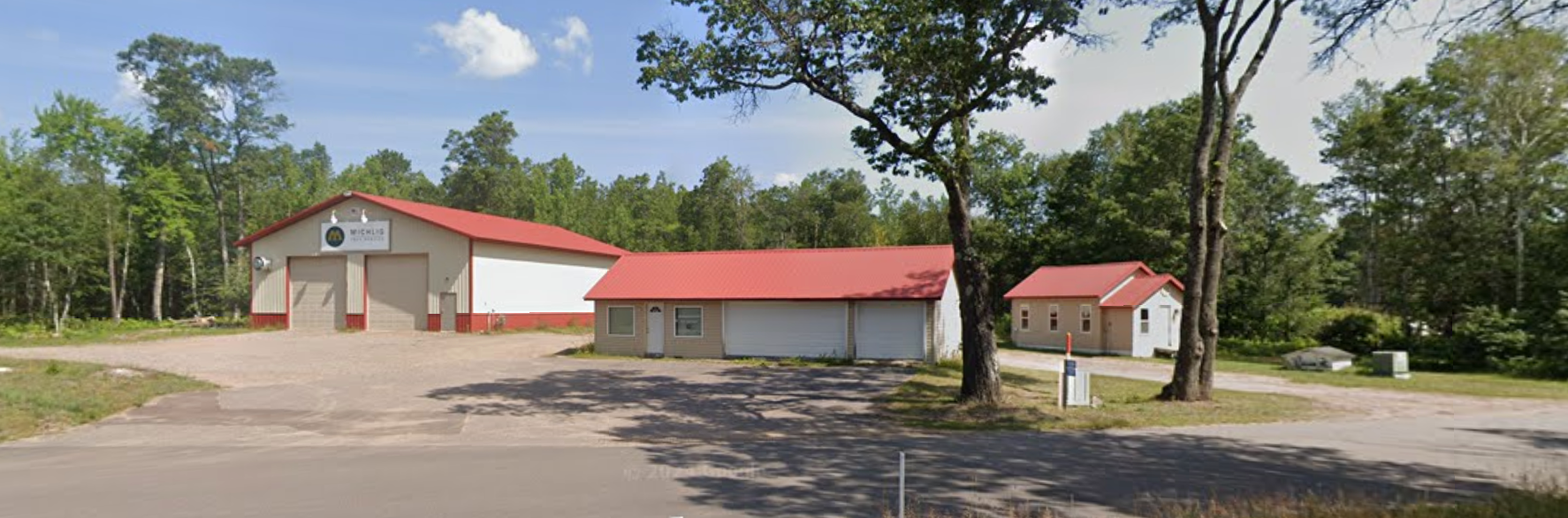
For property owners in Wisconsin looking to develop trails that are both functional and environmentally responsible, Michlig Tree Service
stands as a trusted partner. Serving Boulder Junction and Manitowish Waters for 15
years, we combine professional expertise with local knowledge to deliver high-quality trail construction and maintenance solutions. Their team specializes in crafting durable, sustainable trails that integrate seamlessly with the natural Northwoods environment. With a commitment to safety, efficiency, and ecological preservation, Michlig Tree Service
ensures each project enhances property usability while maintaining the forest’s integrity. Landowners can rely on their experience to navigate challenges, optimize trail performance, and enjoy the Northwoods with confidence and peace of mind.