




How Lot Clearing Prepares Your Property for Building?
Developing a property from an empty plot into a thriving construction site begins with one crucial step: lot clearing. This preparatory process is often overlooked by new property owners, yet it lays the foundation for every successful building project. A cleared lot ensures that your construction plans can proceed without unnecessary delays, hazards, or unexpected costs. Beyond merely removing visible obstacles, lot clearing involves carefully assessing the terrain, eliminating hidden debris, and preparing the land to support both the structural and aesthetic requirements of your planned construction.
Lot clearing is not just about making the land look clean; it is a strategic, essential step that directly impacts the efficiency, safety, and longevity of your building project. From residential homes to commercial developments, properties with thoroughly cleared lots experience fewer construction setbacks and smoother project execution. In addition, properly cleared lots improve site accessibility, reduce environmental risks, and create a safer workspace for construction teams. Understanding the process, benefits, and best practices of lot clearing empowers property owners to make informed decisions and ensures that their building projects begin on solid ground.
1. Assessing the Property Before Clearing
Site Evaluation
Before any trees, brush, or debris are removed, a thorough site assessment is essential. This includes evaluating the topography, soil quality, drainage patterns, and existing vegetation. Understanding these elements helps determine which areas require extensive clearing and which natural features can be preserved. For example, certain mature trees may provide natural windbreaks or aesthetic value, while overgrown shrubs may obstruct planned utility lines.
Identifying Hazards
A comprehensive evaluation also identifies potential hazards such as uneven terrain, large rocks, old stumps, or hidden debris. Removing these hazards during lot clearing prevents accidents and protects both workers and construction equipment. In many cases, properties may also contain invasive plants or contaminated soil that require specialized removal techniques.
Planning for Access
Another critical aspect of the assessment is planning site access for construction vehicles, equipment, and storage areas. Clearing pathways and temporary roadways early in the project can prevent delays and ensure smooth logistics once building begins. By combining safety, environmental, and logistical assessments, property owners can develop a detailed plan for efficient and effective lot clearing.
2. Vegetation and Debris Removal
Tree and Brush Removal
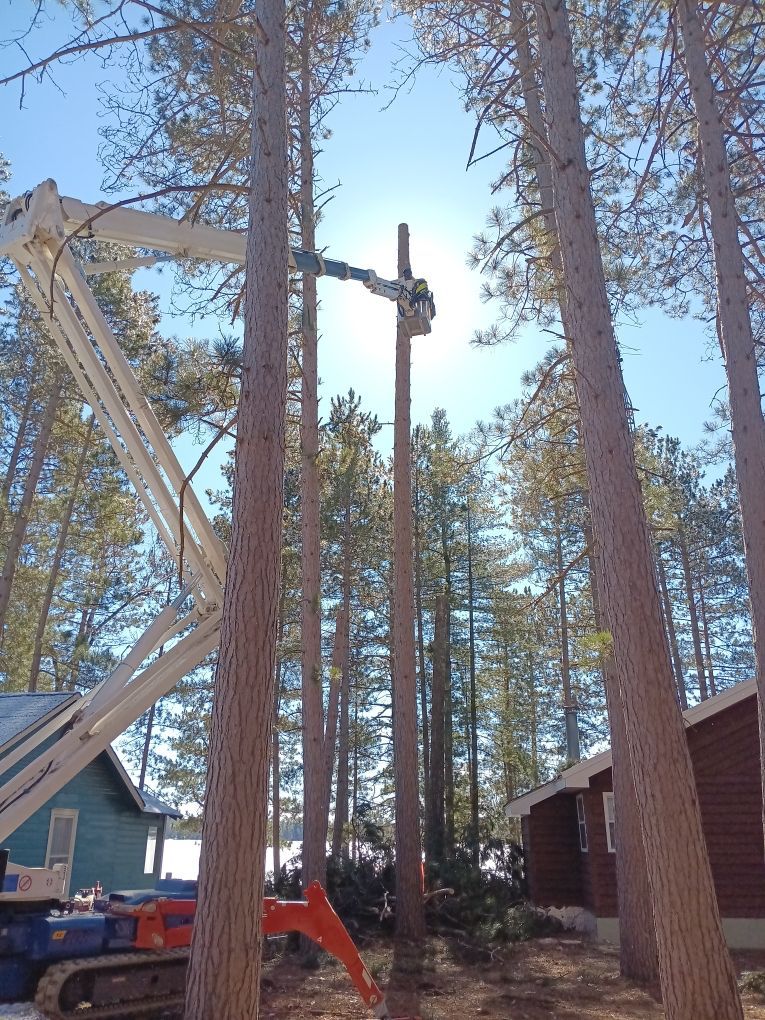
One of the most visible aspects of lot clearing is removing trees and brush. Depending on the size and density of vegetation, this may involve felling trees, trimming overgrowth, and hauling debris off-site. In some cases, selective removal is preferable, allowing certain trees to remain while creating space for building. Using professional arborists ensures that tree removal is conducted safely, especially when dealing with large or unstable trees.
Stump Grinding and Root Removal
After trees are cut down, stumps and roots must be removed to prevent future growth and avoid interference with construction. Stump grinding or excavation ensures the land is level and ready for grading or foundation work. Leaving stumps or roots can lead to structural issues, including uneven settling or damage to underground utilities.
Debris Management
Lot clearing generates significant debris, including branches, logs, and other organic materials. Proper disposal or repurposing is essential. Many contractors recycle wood for mulch, firewood, or compost, reducing environmental impact while maintaining a clean and safe site. Efficient debris management minimizes disruption to construction schedules and improves overall project safety.
3. Land Grading and Soil Preparation
Importance of Grading
Once vegetation and debris are removed, grading the land is critical to ensure a stable building surface. Grading involves leveling the terrain, creating proper slopes, and addressing drainage issues. Improper grading can result in water pooling, soil erosion, or foundation instability, all of which can compromise the safety and longevity of a structure.
Soil Compaction and Stabilization
After grading, the soil often needs compaction or stabilization to support heavy construction equipment and future structures. This step may involve adding fill, mixing in stabilizing materials, or using mechanical compactors to achieve the required density. Well-prepared soil reduces the risk of settling, cracks, or structural damage over time.
Mitigating Drainage Issues
Proper lot preparation also addresses potential water management challenges. By creating drainage paths and slopes, property owners can prevent flooding, soil erosion, and damage to foundations. Incorporating drainage solutions early in the process is more cost-effective than retrofitting drainage systems after construction begins.
4. Utility Preparation and Infrastructure Planning
Marking Utility Lines
Lot clearing also provides an opportunity to plan for essential utilities, including water, gas, electricity, and sewage. Identifying and marking existing utility lines prevents accidental damage during construction and allows for the installation of new infrastructure in optimal locations.
Installing Temporary Access Utilities
During the early stages of construction, temporary utility connections may be necessary. These connections can include temporary power for equipment, water for dust control, or access roads for delivery vehicles. Lot clearing ensures that these temporary utilities can be safely installed without interference from vegetation or debris.
Planning for Long-Term Infrastructure
Proper site preparation also anticipates long-term infrastructure needs such as septic systems, driveways, landscaping, and drainage features. By addressing these elements during lot clearing, property owners can minimize future disruptions and ensure a cohesive, well-planned building site.
5. Environmental Considerations and Permitting
Regulatory Compliance
Lot clearing is subject to local zoning laws, environmental regulations, and permit requirements. Compliance ensures that the project avoids fines, legal issues, or project delays. Some areas may have restrictions on tree removal, soil disturbance, or wetland impact, making regulatory awareness essential.
Erosion Control and Soil Conservation
Environmental best practices are critical during lot clearing. Techniques such as silt fencing, mulching, or temporary vegetation can minimize soil erosion and protect nearby water sources. Incorporating these measures demonstrates responsible land stewardship and ensures the property remains environmentally compliant.
Sustainable Practices
Many property owners choose to adopt sustainable lot clearing practices, including selective tree removal, habitat preservation, and debris recycling. These practices not only reduce environmental impact but also enhance the aesthetic and ecological value of the property. Sustainable lot clearing can also contribute positively to long-term property maintenance and appeal.
6. Preparing for Construction and Long-Term Benefits
Clear Site Accessibility
A properly cleared lot ensures that construction crews can move efficiently and safely. Clear access to the foundation area, storage zones, and roadways minimizes delays and improves workflow, resulting in a faster project timeline.
Reduced Construction Risks
Removing obstacles, leveling the terrain, and stabilizing soil reduce risks such as equipment accidents, structural failures, and foundation settling. By addressing potential problems during the lot clearing stage, property owners protect their investment and ensure higher-quality construction outcomes.
Enhancing Property Value
In addition to supporting construction, lot clearing can enhance the overall value and appeal of a property. A well-prepared lot signals professionalism and foresight to potential buyers or developers, creating opportunities for higher resale value or smoother project financing. Investing in proper lot clearing is a strategic decision that benefits both immediate construction goals and long-term property growth.
7. Equipment and Technology in Lot Clearing
Modern Machinery Advantages
Using modern machinery like bulldozers, excavators, and stump grinders accelerates lot clearing and improves precision. These machines handle large areas efficiently, reducing the labor required while maintaining safety standards.
Safety and Precision Tools
Technology such as GPS, drones, and laser-guided grading ensures accurate measurements and efficient site layout. These tools help contractors avoid errors that could compromise foundation stability or utility placement.
Reducing Labor Costs
Investing in advanced equipment can lower overall project costs by reducing manual labor, minimizing rework, and accelerating timelines. Smart deployment of machinery ensures the lot is ready for construction quickly and safely.
8. Planning for Landscaping and Future Development
Preserving Key Natural Features
Not all trees or terrain features need to be removed. Strategic preservation of mature trees or natural slopes can enhance the aesthetic appeal of the property while providing shade, privacy, and wind protection.
Integrating Landscaping with Construction Plans
Lot clearing influences future landscaping and site development. Coordinating early with architects or landscapers ensures proper placement of driveways, gardens, patios, and drainage systems without the need for rework.
Long-Term Property Maintenance
Preparing the land properly during lot clearing simplifies long-term maintenance. Clear grading, stable soil, and preserved vegetation reduce erosion, minimize water accumulation, and make future landscaping projects more manageable.
Professional Guidance to Ensure Ready-to-Build Land
Lot clearing is a foundational step that transforms raw land into a viable building site. By evaluating the property, removing vegetation and debris, preparing the soil, addressing utilities, and considering environmental factors, property owners set the stage for a successful construction project. Each phase of lot clearing minimizes risks, improves safety, and ensures that the project proceeds efficiently from start to finish. Beyond immediate construction benefits, thorough lot preparation also enhances long-term property value and sustainability.
For homeowners and developers in Boulder Junction and Manitowish Waters, Wisconsin, Michlig Tree Service offers 15 years of expertise in professional lot clearing. Our team provides comprehensive services, from tree removal and stump grinding to grading, debris management, and environmental compliance. By combining experience, advanced equipment, and local knowledge, Michlig Tree Service ensures your property is fully prepared for building. Trust us to create a safe, efficient, and expertly cleared lot that sets the foundation for your next construction project.