

How We Use Cutting-Edge Equipment for Safer Tree Removal
Tree removal is a complex and potentially hazardous task that requires skill, precision, and the right tools. Each tree presents unique challenges based on its species, size, location, and health condition. Without proper equipment, even seasoned professionals face elevated risks of injury, property damage, and inefficiency. Today, the tree service industry increasingly relies on advanced technology to enhance safety, streamline operations, and ensure predictable outcomes. Understanding how modern equipment transforms the tree removal process can shed light on the critical balance between efficiency and safety that professionals maintain daily.
Modern tree removal goes beyond traditional chainsaws and ropes. Innovations such as hydraulic cranes, aerial lifts, stump grinders, and computerized cutting systems allow arborists to manage complex projects while minimizing risks. These tools are designed to support precise cutting, safe debris handling, and secure navigation around power lines, buildings, or uneven terrain. The integration of cutting-edge equipment represents not just a technological shift but a commitment to professional standards that prioritize the safety of crews, clients, and surrounding property. By examining the tools, techniques, and best practices that define modern tree removal, homeowners and property managers can better appreciate why professional services are indispensable in maintaining healthy, safe landscapes.
1. Modern Cutting Tools: Precision and Safety
Advanced Chainsaws and Pole Saws
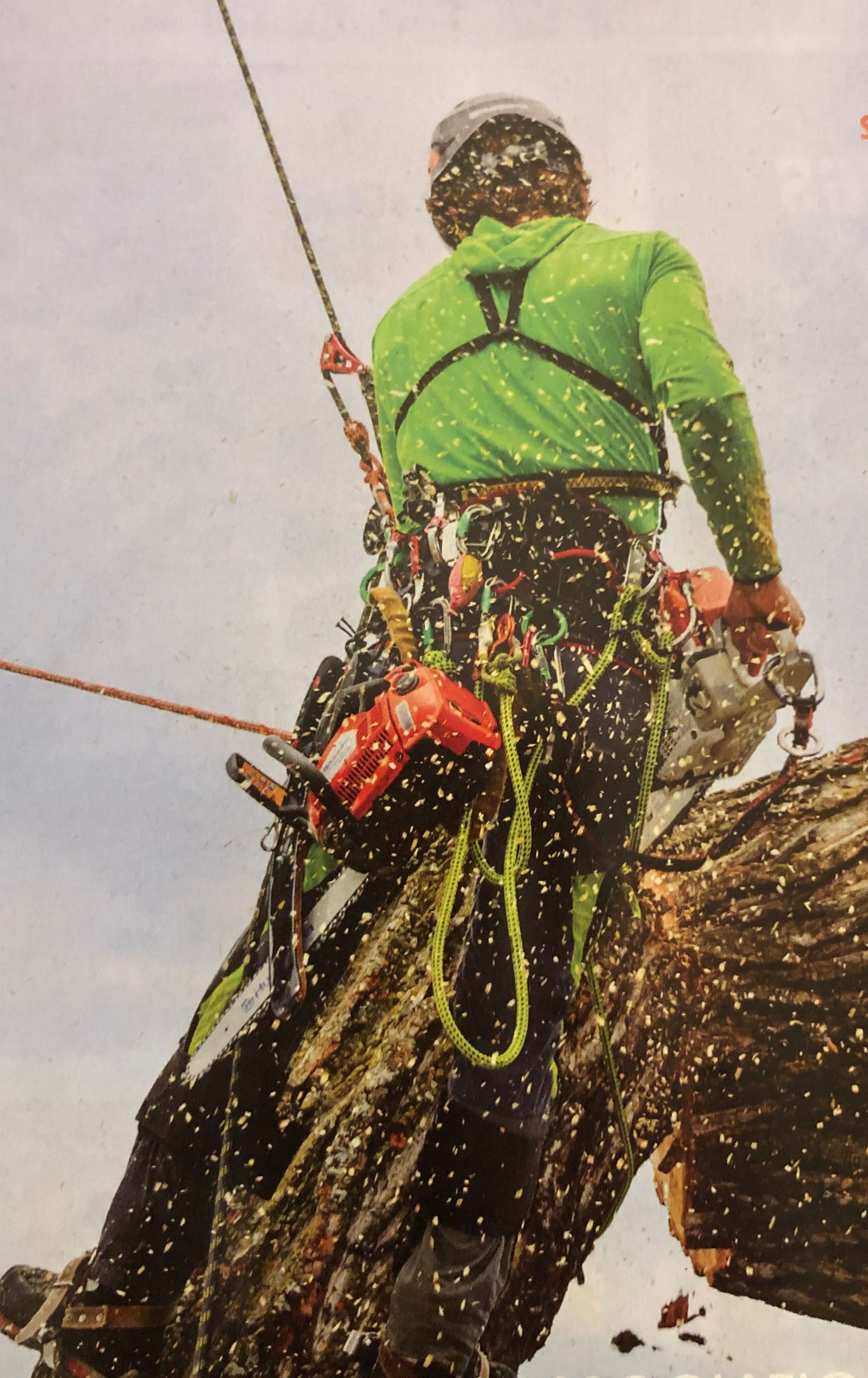
Chainsaws have evolved significantly from their early, bulky, and heavy counterparts. Today’s professional-grade chainsaws feature reduced vibration technology, ergonomic grips, and advanced anti-kickback systems. These improvements lower operator fatigue during long work sessions and prevent accidents caused by sudden or unexpected movements. Pole saws, designed to reach higher branches without climbing unstable trees, further enhance safety by allowing arborists to work efficiently from the ground.
Real-World Example: On residential properties with overhead power lines, using a pole saw reduces the need for climbing or makeshift scaffolding entirely, mitigating potential electrical hazards while ensuring precise branch removal.
Automated Cutting Systems
Some companies now utilize computerized cutting systems that allow for more controlled and accurate cuts on even the most complex tree structures. These systems can automatically adjust cutting angles based on branch thickness and tree type, ensuring efficient pruning or removal without causing unnecessary damage. This technology is particularly valuable in densely populated areas or urban settings where precision is absolutely critical.
Safety and Maintenance Protocols
Even the most advanced cutting tools require strict and regular maintenance schedules. Chains must be sharpened consistently, tension checked, and lubrication ensured before every use. Equipment failure due to poor upkeep is one of the leading causes of accidents, highlighting that technology alone is insufficient without proper operational and safety standards being maintained.
2. Aerial Lifts and Elevated Platforms
Benefits of Aerial Access
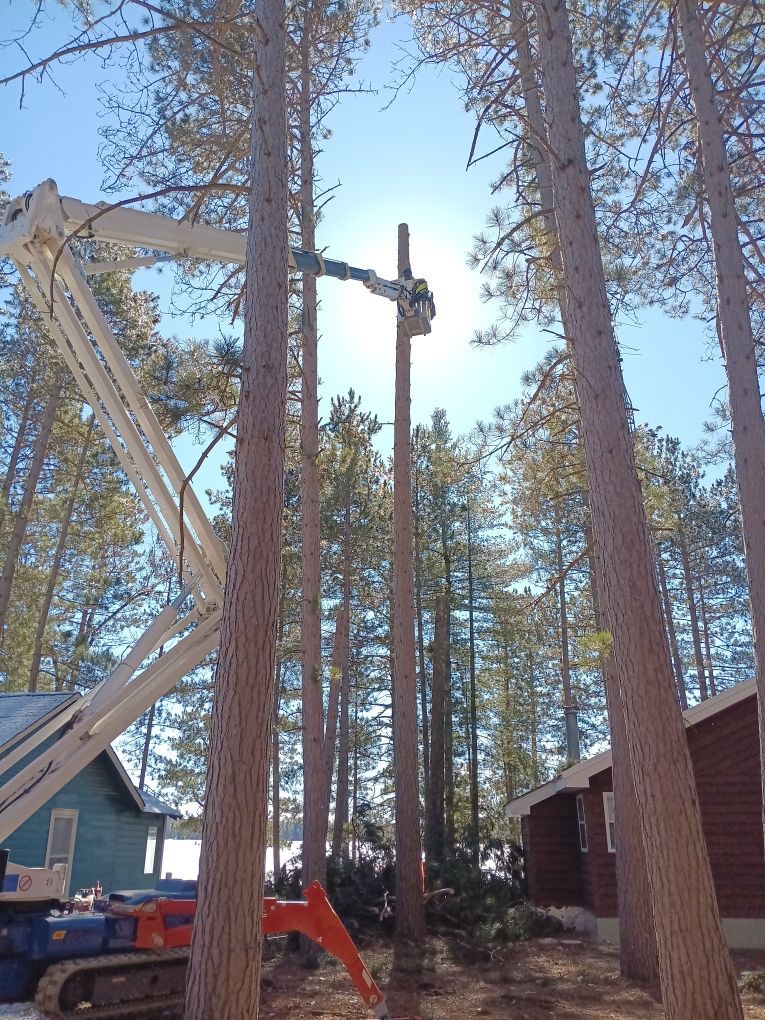
Aerial lifts, bucket trucks, and elevated platforms provide arborists with stable, mobile working positions high above ground level. These tools eliminate the need for climbing potentially unstable or hazardous trees, significantly reducing fall-related injuries and risks. Lifts also allow for careful positioning of ropes and rigging, ensuring that large limbs are lowered safely to the ground in a controlled manner.
Scenario: Removing a large oak tree in a backyard with a narrow driveway can be extremely risky with ladders alone. Using an aerial lift, arborists can safely navigate over obstacles and lower branches with precise rigging control, protecting both property and workers.
Safety Features and Technology
Modern lifts include advanced fail-safe mechanisms such as automatic leveling, emergency brakes, and load sensors that prevent overextension and potential accidents. These safety features are critical in minimizing injuries and ensuring stability on uneven terrain or during windy conditions. The combination of skilled operators and advanced lifts ensures that even complex tree removals are performed efficiently and safely every time.
3. Rigging Systems: Controlled Tree Lowering
Understanding Rigging
Rigging involves attaching ropes, pulleys, and cables to control the direction and descent of tree limbs during removal. Advanced rigging systems allow precise maneuvering of large branches, preventing uncontrolled falls that could seriously damage property or harm personnel working nearby.
Hydraulic and Mechanical Assistance
Modern rigging incorporates hydraulic winches and mechanical pulleys to reduce the physical strain on arborists significantly. By controlling tension and descent, these systems minimize human error and improve the accuracy of limb placement in complex or tight spaces.
Real-World Example: In urban settings, improperly rigged branches can damage fences, roofs, or vehicles. Hydraulic-assisted rigging ensures that limbs are guided safely to predetermined landing zones, even in restricted or congested spaces.
Best Practices in Rigging Safety
- Conduct a detailed site assessment to identify all hazards
- Establish clear landing zones and safety perimeters for crews
- Use redundancies in critical points to prevent potential rope failure
- Regularly inspect all ropes, pulleys, and attachment points before use
Rigging represents a critical intersection of equipment, skill, and careful planning. Without it, even advanced cutting tools and lifts alone cannot guarantee safe and controlled tree removal operations.
4. Stump Removal and Grinding: Post-Tree Safety
Modern Stump Grinders
After a tree is removed, the remaining stump presents lingering hazards, including tripping, pest attraction, and uneven terrain. Professional stump grinders allow rapid removal while minimizing environmental impact and disruption to surrounding areas. These machines range from hand-held units for small stumps to large, self-propelled grinders capable of handling substantial root systems efficiently.
Benefits of Precision Grinding
Controlled grinding allows operators to remove stumps well below ground level, enabling seamless landscaping or construction projects. Modern grinders also incorporate dust suppression systems and protective shields, preventing flying debris injuries and minimizing risk to workers and bystanders.
Scenario: A commercial property with tight pathways requires stump removal without damaging adjacent pavement or landscaping. Using a low-profile, precision grinder allows safe operation in restricted areas while maintaining surrounding surface integrity.
Safety Protocols
Operators are trained to maintain a safe distance from rotating blades, wear appropriate protective gear, and follow manufacturer-recommended speed and depth settings. Proper training, combined with advanced equipment, ensures the safety of both workers and property during every stage of stump removal.
5. Load and Debris Management Technology
Mechanical Loaders and Chippers
Large trees generate significant debris that can obstruct work zones and create hazards. Mechanical loaders and industrial-grade wood chippers reduce the risks associated with manual debris handling. Loaders lift heavy logs safely, while chippers process branches into manageable mulch efficiently, minimizing operator exposure to dangerous equipment.
Efficiency and Risk Reduction
Using mechanized debris management tools prevents lifting-related injuries and ensures that work zones remain organized throughout the project. Chippers with automatic feed systems reduce the need for arborists to stand close to rotating blades, minimizing the risk of contact injuries significantly.
Example: In municipal tree removal projects, logs often need to be transported quickly to minimize traffic disruption. Loader-equipped teams can safely handle multiple sections simultaneously, ensuring project efficiency and public safety.
Environmental Considerations
Modern debris management equipment often includes noise reduction technology, dust suppression systems, and emissions-compliant engines. These innovations allow safe operations even in residential neighborhoods without compromising environmental or community standards.
6. Advanced Safety Planning and Monitoring
Site Assessments and Risk Analysis
Equipment alone does not guarantee safety during tree removal. Modern tree removal integrates sophisticated site assessment tools, including laser measuring devices, drones, and digital mapping technology. These tools provide detailed insight into tree dimensions, lean, structural integrity, and proximity to hazards before any physical work begins.
Scenario: A diseased pine leaning dangerously toward a house poses an unpredictable risk. Using drone imaging and laser measurement, arborists can map its trajectory accurately and plan a controlled removal strategy, selecting the appropriate lift, rigging, and cutting equipment.
Communication and Monitoring
Modern tree removal teams use wireless headsets, radios, and visual signaling to maintain constant coordination. Continuous monitoring of weather, tree stability, and equipment performance ensures that adjustments are made in real time to prevent accidents and maintain project safety standards.
Training and Certification
Even the most advanced equipment is effective only when operators are thoroughly trained. Professional tree service companies invest heavily in certifications, hands-on training, and scenario-based drills to ensure crews understand equipment capabilities and limitations. This combination of human expertise and technological advancement creates a proactive culture of safety that reduces injuries and property damage consistently.
Experienced Arborists Ensuring Precision in Every Project
Tree removal is inherently complex and risky, but the integration of cutting-edge equipment significantly elevates safety standards. From advanced chainsaws and pole saws to aerial lifts, hydraulic rigging systems, stump grinders, and mechanized debris management tools, modern technology empowers arborists to execute removals with precision and control. Combined with thorough site assessments, real-time monitoring, and specialized training, these innovations reduce the likelihood of accidents, protect property, and streamline operations, ensuring that both residential and commercial tree removal projects are completed efficiently and safely.
Michlig Tree Service, serving Boulder Junction and Manitowish Waters, Wisconsin, brings 15
years of experience to every tree removal project. Our team leverages industry-leading equipment, hands-on expertise, and meticulous planning to deliver professional results with minimal risk. Whether handling hazardous trees, urban removals, or complex landscapes, we prioritize safety, efficiency, and customer satisfaction. By integrating advanced technology with proven arborist techniques, Michlig Tree Service
stands as a trusted partner for safe, reliable tree care that homeowners and businesses can confidently rely on.