


The Importance of Regular Tree Maintenance for Property Value
Trees are more than just aesthetic additions to a property—they are strategic investments that enhance curb appeal, environmental quality, and overall property value. Well-maintained trees can transform a landscape into a serene, inviting space, making homes more attractive to buyers, tenants, or visitors. Beyond beauty, trees provide practical benefits such as shade, windbreaks, and natural insulation, which contribute to energy efficiency and long-term cost savings. In residential and commercial real estate markets, properties with mature, healthy trees consistently show higher appraisal values, demonstrating the tangible financial impact of proper tree care. Additionally, trees contribute to mental well-being and community appeal, creating outdoor spaces that encourage relaxation, recreation, and social engagement. Their presence often signals a well-cared-for property, fostering positive perceptions even before a visitor enters the home.
However, neglecting tree maintenance can significantly undermine these benefits. Overgrown branches, disease, pest infestations, or structural weaknesses pose safety risks and can lead to costly damage to structures or neighboring properties. Regular tree maintenance—encompassing pruning, inspection, and treatment—is essential to mitigate these risks while preserving the aesthetic and functional value of the landscape. Understanding the connection between tree health and property value equips homeowners and property managers with the insight to make informed, proactive decisions. In today’s competitive real estate market, strategic tree care is not just about aesthetics—it is an investment in safety, longevity, and financial security. Proactive tree care also ensures compliance with local regulations, reduces liability concerns, and demonstrates responsible stewardship of the property’s natural assets.
1. Enhancing Curb Appeal and Marketability
First Impressions Matter
The exterior of a property is the first thing potential buyers notice, and trees play a critical role in shaping this impression. A property lined with healthy, well-maintained trees conveys care, pride, and attention to detail. Conversely, overgrown or neglected trees can create a sense of disorder and diminish the perceived value of a property. Research indicates that landscaping, particularly mature trees, can increase property value by up to 15%, highlighting the direct connection between tree maintenance and marketability.
Strategic Tree Placement
Properly positioned trees can enhance visual appeal while providing functional benefits. For example, trees planted near driveways, entrances, or outdoor living areas create natural focal points and frame the property effectively. Regular pruning ensures that branches do not obstruct views or pathways, maintaining an open, inviting atmosphere. By incorporating professional landscape design principles, tree maintenance becomes a strategic tool for maximizing both aesthetic appeal and property value.
Seasonal Maintenance Considerations
Seasonal changes demand specific tree care actions. For instance, late winter pruning can prevent damage from spring growth, while fall maintenance reduces the accumulation of leaf litter that may impact lawn health and aesthetics. A consistent maintenance schedule not only ensures year-round appeal but also demonstrates to potential buyers that the property has been responsibly cared for, reinforcing confidence in the investment.
2. Promoting Tree Health and Longevity
Preventing Disease and Pest Infestations
Regular tree maintenance is essential for detecting and preventing disease or pest problems early. Trees weakened by disease or infestation can decline rapidly, jeopardizing surrounding vegetation and structures. Common issues such as fungal infections, aphid infestations, or root rot require timely intervention. Routine inspections and treatments, such as applying appropriate fungicides or pruning infected limbs, preserve tree health and prevent costly future damage.
Nutrient Management and Soil Health
Tree maintenance extends beyond visible trimming. Ensuring proper soil conditions, mulching, and fertilization supports strong root development and sustained growth. Compacted or nutrient-deficient soil can stunt growth and increase vulnerability to environmental stressors. By addressing these underlying conditions, property owners maintain the structural integrity and appearance of their trees, contributing to overall landscape vitality.
Structural Integrity and Safety
Over time, trees can develop structural weaknesses, including cracked limbs or hollow trunks, which pose risks to people and property. Professional arborists assess structural integrity and recommend corrective actions, such as cabling, bracing, or selective pruning. Maintaining tree health reduces liability risks while preserving the long-term value of the property’s natural assets.
3. Increasing Energy Efficiency and Environmental Value
Shade and Climate Control
Strategically maintained trees provide natural cooling during the summer and wind protection during the winter. Proper pruning ensures that canopies are dense enough to provide shade without blocking sunlight needed for seasonal warmth. Energy-efficient landscaping reduces reliance on heating and cooling systems, lowering utility costs and increasing a property’s appeal to environmentally conscious buyers.
Air Quality and Carbon Sequestration
Trees play a vital role in improving air quality by absorbing pollutants and sequestering carbon dioxide. Regular maintenance ensures they remain healthy and capable of performing these ecological functions. Properties with well-maintained trees not only benefit from cleaner air but also demonstrate a commitment to sustainability, an increasingly important factor in property valuation.
Stormwater Management
Maintaining tree canopies and root systems improves soil absorption and reduces runoff, mitigating flood risks. Overgrown or neglected trees may have compromised root systems, limiting their ability to manage water effectively. By promoting healthy growth through pruning and care, property owners enhance both environmental value and resilience against climate-related property damage.
4. Safety and Liability Considerations
Reducing Risk of Damage
Neglected trees can become safety hazards, with dead or overhanging branches potentially falling on structures, vehicles, or pedestrians. Regular tree maintenance, including structural assessments and timely removal of hazardous limbs, mitigates these risks. Proactive care reduces the likelihood of emergency interventions, which are often more costly and disruptive than routine maintenance.
Legal and Insurance Implications
Property owners are often held liable for damages caused by falling branches or trees. Maintaining a documented schedule of inspections and care can demonstrate due diligence to insurance companies or legal authorities. This proactive approach protects property value by minimizing potential claims and associated costs.
Emergency Preparedness
Severe weather events, such as storms or heavy snowfall, can place additional stress on trees. Well-maintained trees with strong structure and healthy root systems are more resilient to extreme conditions. Incorporating tree maintenance into emergency preparedness plans enhances property safety and demonstrates a commitment to responsible ownership.
5. Best Practices for Effective Tree Maintenance
Regular Inspection and Pruning
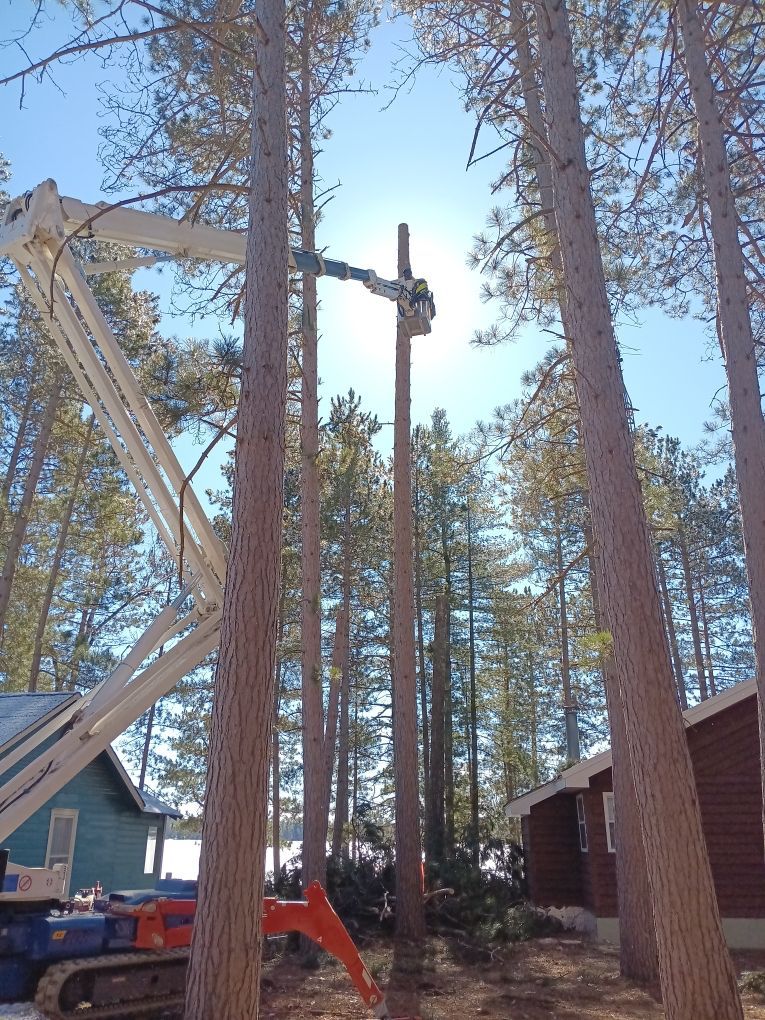
Annual or biannual inspections by certified arborists are critical for identifying early signs of disease, pest activity, or structural concerns. Pruning should focus on removing dead or weak branches, shaping canopies, and maintaining balanced growth. Over-pruning can harm trees, so professional guidance ensures that interventions enhance health rather than compromise it.
Soil and Root Care
Monitoring soil conditions, applying organic mulch, and ensuring proper irrigation support root health and prevent erosion. Root damage from construction, heavy foot traffic, or improper planting can destabilize trees and reduce their value. Root-focused maintenance preserves the longevity and stability of trees while protecting surrounding infrastructure.
Integrated Pest Management
Rather than relying solely on chemical treatments, integrated pest management combines monitoring, biological controls, and targeted interventions. This approach maintains ecological balance, reduces chemical exposure, and supports long-term tree health. Effective pest management not only safeguards individual trees but also preserves overall landscape value.
Documentation and Record-Keeping
Keeping detailed records of inspections, treatments, and maintenance schedules provides transparency and accountability. Documentation enhances property value by offering verifiable evidence of proactive care, which can be influential during sales or appraisals. Buyers and insurers alike view documented maintenance as a sign of responsible property stewardship.
6. Real-World Examples and Case Studies
Residential Properties
In suburban neighborhoods, homes with mature, well-maintained trees often sell faster and at higher prices than properties with overgrown or unhealthy trees. For instance, a property with strategically pruned shade trees can increase curb appeal and perceived livability, attracting buyers willing to pay a premium for a visually pleasing and functional landscape.
Commercial Properties
Office complexes and retail spaces benefit from tree maintenance through enhanced customer experience and reduced liability. Landscapes with healthy trees provide shade for parking areas, create welcoming entrances, and contribute to environmental certification programs. Regular tree care ensures that trees remain assets rather than liabilities, protecting the property’s long-term market value.
Urban and Community Spaces
In urban settings, properly maintained street trees and parkland vegetation improve property values across entire neighborhoods. Municipal programs that prioritize tree care reduce infrastructure damage, enhance community aesthetics, and encourage investment in surrounding properties. These examples underscore the broader economic and social impact of regular tree maintenance.
Experienced Tree Service Team Protecting Your Investment
Regular tree maintenance is an essential strategy for safeguarding and enhancing property value. By promoting tree health, safety, and aesthetic appeal, property owners protect their investments while creating inviting, functional outdoor spaces. Proper care—from pruning and soil management to pest control and structural assessments—ensures long-term resilience and environmental benefits, reducing risks and enhancing marketability. Whether for residential, commercial, or community properties, maintaining trees is an investment that delivers both financial and lifestyle returns.
For homeowners and property managers seeking professional guidance, Michlig Tree Service
offers 15
years of expertise in tree maintenance, safety assessments, and landscape enhancement. Serving Boulder Junction and Manitowish Waters, Wisconsin, the company provides tailored solutions to preserve tree health, improve property aesthetics, and maximize long-term value. With a commitment to excellence, responsible care, and proven results, Michlig Tree Service
stands as a trusted partner for all tree-related needs. Property owners can rely on their knowledge, experience, and meticulous approach to ensure every tree contributes positively to both safety and value.